
APP-PHI Partnerships
Our focus is to build and sustain collaborative networks between academic institutions, local and state governments, community-based organizations, and health agencies to address rural health needs. View some of our partnerships and community engagement efforts below.
SHERPA Network
The Supporting Rural Health Equity Practice and Academia Network (SHERPA) is a project funded through HRSA for a Rural Network Planning Grant. The Supporting Rural Health Equity Practice and Academia (SHERPA) Network exists to address Social Determinants of Health (SDOH) by fostering robust academic and practice partnerships focused on rural health. Our mission is to bridge the gap between healthcare providers, academic institutions, and the communities they serve in Western North Carolina’s Appalachian Region.
Local Rural MCH Community Coalitions
The Moms and Babies Coalition is a local coalition formed in response to the impact of the closure of a Labor and Delivery Department in 2017 in rural Appalachia, focusing on Mitchell and Yancey Counties. Led by a collaborative and diverse group of stakeholders, this coalition investigates the challenges faced by expectant mothers and the efforts undertaken to address these issues. We will delve into the unique challenges posed by rurality and maternal care deserts, emphasizing the disparities in healthcare access and outcomes in rural areas.
Emergency Management Collective - Partners in Preparedness
Partners in Preparedness is a collaborative initiative designed to synergize the expertise of academic institutions and emergency management agencies working in tandem. By leveraging their combined resources, expertise, and networks, these partners strengthen preparedness, response, and recovery efforts to build more resilient communities in the face of emergencies and disasters.
Academic Partnerships
Collaboration between academic institutions and emergency management agencies can leverage their respective expertise, resources, and networks to enhance overall preparedness, response, and recovery efforts in the face of disasters and emergencies. A-PHI is partnered with several domestic and international institutions, including:
- Burke County Health Department – Located in Burke County, NC
- Toe River Health Department – Located in Avery and Mitchell Counties, NC
- App State Emergency Management – Located in Boone, NC
- Watauga County Emergency Management – Located in Boone, NC
- MCHP (Mountain Community Health Partnership) – Located in Bakersville, NC
- UNC Appalachian – Located in Boone, NC
- High Country Area Agency on Aging – Located in Boone, NC
- Harmony Lanes – Located in Boone, NC
- ETSU (East Tennessee State University) – Located in Johnson City, TN
- Western Carolina University – Located in Cullowhee, NC
- Dogwood Health Trust – Located in Asheville, NC
- University of North Carolina at Chapel Hill – Located in Chapel Hill, NC
- Tec de Monterrey – Located in Guadalajara, Mexico
HBCU Health Equity Data Consortium
Appalachian State University is a member of this consortium and lead data collection for the Medicaid Region 1. The HBCU Health Equity Data Consortium is a collaborative initiative developed by the NC State Center for Health Statistics (SCHS) through its Centralized Health Equity Data (CHED) Team, designed to build a sustainable, equity-centered public health surveillance model. The consortium focuses on four key objectives:
- Community Engagement
- Infrastructure Support for Minority Serving Institutions (MSIs)
- Enhancement of Equity Data for Historically Marginalized Populations (HMPs)
- Reciprocal Data Literacy – returning actionable data insights back to the communities surveyed.
The initiative builds on lessons learned during the COVID-19 pandemic, during which Historically Black Colleges and Universities (HBCUs) played a vital role in reaching and supporting HMPs. Despite their effectiveness, HBCUs have historically faced chronic underfunding and systemic barriers that limited their capacity to fully implement solutions for communities they best understand.
In response, CHED launched a pilot study in partnership with Shaw University and UNC’s Cecil G. Sheps Center, focusing on surveillance and intervention outcomes in Durham County. Findings from this pilot demonstrated the power of HBCU engagement in addressing data gaps—particularly around wealth, disability, and COVID-19 outcomes—and highlighted the need for a statewide expansion. The Consortium’s next phase, led by North Carolina A&T State University (the Hub institution), expands this model statewide.
The consortium aims to enhance equity-focused data collection strategies by integrating regional knowledge, community partnerships, and the trusted presence of HBCUs in underserved areas. These institutions have a proven history of community-based engagement, including:
- Offering free COVID-19 testing and surveillance
- Building trust in underserved communities
- Leading equity-based research (e.g., NCCU’s “Research with Care” in Halifax County)
- Using programs like NC A&T’s Cooperative Extension to improve socioeconomic mobility and access to health information
The HBCU Health Equity Data Consortium serves as a model for inclusive and community-anchored public health efforts. By addressing historical inequities in data and institutional capacity, the consortium represents a transformative approach to equitable public health surveillance and response across North Carolina.
Local Partners:
- Avery County: Julie Wiggins – High Country Council of Governments – Executive Director; Cordellia Stearns – High Country Community Health – Medical Director
- Burke County: Alice Salthouse – High Country Community Health – CEO
- Caldwell County: Anthony Starr – Western Piedmont Council of Governments; Anna Martin – Caldwell Health Department – Health Director; Debra Thomas – South Caldwell Christian Ministries – Executive Director
- McDowell County: Heather Edwards – Foothills Food Hub – Project Developer and Paula Avery – West Marion Community Forum – Executive Director
- Mitchell County: Jamie McMahan – Mountain Community Health Practice – Director of Business Development
- Polk County: Danna Stansbury – Council of Governments – Executive Director
- Yancey County: Nicole Allen – Mountain Community Health Practice – Assistant Medical Director
Areas of Academic and Health Agency Collaboration

Research Partnerships
Academic institutions can collaborate with emergency management agencies to conduct research on various aspects of emergency management, such as risk assessment, disaster response strategies, community resilience, and communication methods. This collaboration can lead to the development of evidence-based practices and innovative solutions to address complex emergency challenges.

Training and Education Programs
Academic institutions can develop and deliver training and education programs for emergency management personnel. These programs can cover topics such as incident command systems, disaster planning and management, public health preparedness, and crisis communication. By leveraging the expertise of academic faculty and resources, emergency management agencies can enhance the knowledge and skills of their staff to effectively respond to emergencies.

Interdisciplinary Exercises and Simulations
Collaborative exercises and simulations can provide valuable opportunities for emergency management agencies and academic institutions to test their response capabilities in simulated disaster scenarios. These exercises can help identify strengths, weaknesses, and areas for improvement in emergency plans and procedures. Additionally, they can foster collaboration, communication, and coordination among various stakeholders involved in emergency response efforts.
Information Sharing and Data Analysis
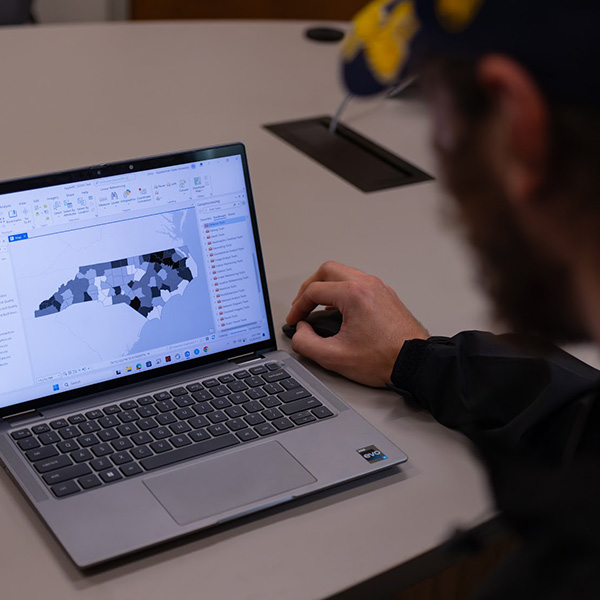
Academic institutions can contribute to emergency management efforts by providing expertise in data analysis, modeling, and predictive analytics. By analyzing historical data, monitoring trends, and predicting potential risks, academics can help emergency management agencies make informed decisions and allocate resources more effectively. Furthermore, academic institutions can serve as hubs for information sharing and dissemination, facilitating collaboration among researchers, practitioners, and policymakers.

Community Engagement and Outreach
Academic institutions can collaborate with emergency management agencies to engage with local communities and enhance public awareness and preparedness for emergencies. This collaboration can involve organizing workshops, seminars, and public forums to educate residents about disaster risks, preparedness measures, and available resources. By working together, academic institutions and emergency management agencies can empower communities to become more resilient and better equipped to respond to emergencies.